April 1, 2026
Beating the Texas Heat: How Summer Temperatures Impact Your Home and HVAC Comfort

If you’ve ever lived in Texas, you know one thing is inevitable: the heat. From the sun-drenched plains of West Texas to the humid stretches of East Texas, summer brings temperatures that can easily climb above 100°F. For homeowners, this isn’t just about sweating through a few weeks—it’s about how the relentless heat affects energy use, indoor comfort, and the performance of your HVAC system.
In this blog, we’ll explore the realities of Texas summers, how heat affects your home and HVAC system, and practical strategies to keep your living space comfortable while staying energy efficient.
The Texas Heat: More Than Just a Temperature
Texas is famous for its big skies, wide-open spaces, and even bigger temperatures. Summer heat here isn’t simply a nuisance—it’s a factor that shapes how homes are built, how people live, and how HVAC systems are used. Unlike regions with mild summers, Texans experience long stretches of extreme heat, often lasting from May through September, with occasional early spikes as early as March.
This extended heat has several direct impacts on homeowners:
- Increased energy bills: Running air conditioning for hours each day can strain both the budget and the electrical grid.
- HVAC wear and tear: Systems work harder and longer, increasing the likelihood of breakdowns if maintenance is neglected.
- Indoor comfort challenges: Without proper insulation or air distribution, some rooms may feel stifling while others remain cooler, creating uneven temperatures.
Understanding these impacts is the first step to improving your home’s comfort and efficiency.
How Heat Affects HVAC Performance
Your HVAC system is the hero in the battle against the Texas sun. But even the most robust systems face challenges in extreme heat. Here’s how the heat impacts your cooling system:
- Increased Load and Energy Use
Air conditioners have to work overtime to maintain a consistent indoor temperature. For every degree higher outside, your system must remove more heat from your home. According to energy studies, running a home air conditioner in temperatures above 95°F can increase energy consumption by 10–15% per degree. That means a scorching 105°F day could push your system to use 20–30% more energy than normal. - Wear and Tear on Components
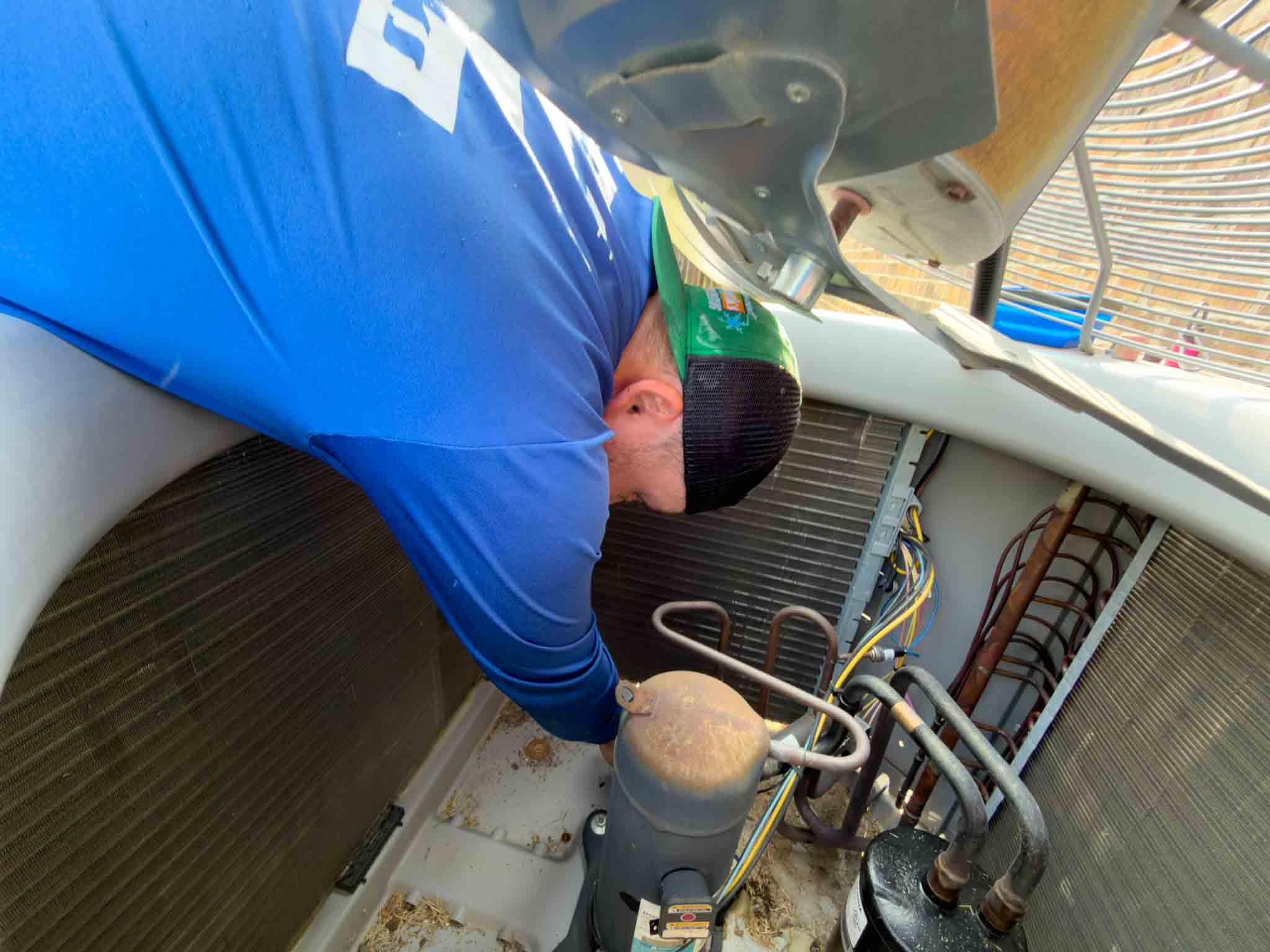
Extended operation in high heat can strain compressors, motors, and fans. Components like condenser coils can become clogged with dust and debris more quickly when units run constantly, reducing efficiency and risking breakdowns. Routine maintenance is critical to prevent costly repairs and maintain performance. - Temperature Imbalance
Heat doesn’t enter a home evenly. South- and west-facing windows, poorly insulated walls, and unsealed ducts can create “hot spots” in your home. Even if your thermostat reads a comfortable 74°F, some rooms may still feel warm, which is both frustrating and inefficient.
The Role of Home Design and Insulation
One of the most overlooked factors in HVAC efficiency is the home itself. Texas homes face unique heat challenges due to their architecture and the materials used in construction. Some key considerations include:
- Insulation
Proper insulation slows the transfer of heat from outside to inside, reducing the load on your AC. Attics and ductwork are especially vulnerable: leaky ducts can allow 20–30% of cooled air to escape, making your system work harder for less comfort. - Windows and Sun Exposure
Large windows or sliding glass doors can be beautiful, but they also let in a significant amount of solar heat. Consider energy-efficient windows, reflective coatings, or strategically placed shades to reduce solar gain. - Roofs and Exterior Materials
Roofing material plays a surprisingly big role in home comfort. Light-colored or reflective roofing can reduce heat absorption, while dark shingles can trap heat and increase indoor temperatures. Similarly, exterior walls made from brick or stone absorb and radiate heat differently than wood or insulated siding. - Energy Efficiency Tips for Beating the Texas Heat
While the summer sun can feel relentless, there are several strategies homeowners can use to improve comfort and reduce energy costs: - Seal and Insulate Ducts
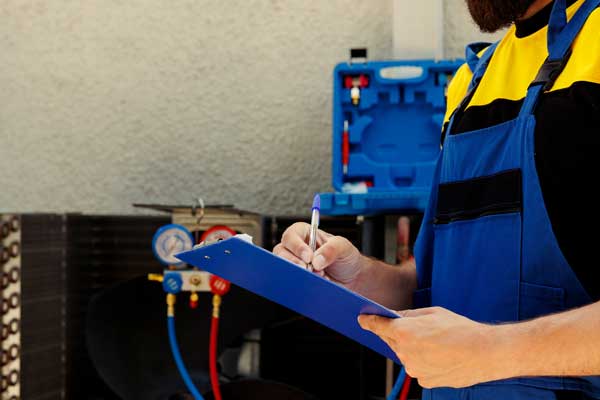
Leaky ducts are a major culprit for energy loss. Sealing ductwork ensures that cooled air reaches every room efficiently, keeping your home comfortable and reducing the strain on your AC. - Regular HVAC Maintenance
Schedule inspections and cleanings at least twice a year. Check filters, coils, and refrigerant levels to maintain peak efficiency. A well-maintained system can reduce energy consumption by up to 15%. - Smart Thermostats
Programmable or smart thermostats allow you to optimize cooling schedules, avoiding wasteful overcooling when no one is home. Some models can even detect room occupancy and adjust temperatures automatically. - Window Treatments
Use blinds, shades, or reflective films to block heat during the hottest parts of the day. Landscaping choices, like planting trees or installing awnings, can provide natural shade and reduce solar heat gain. - Zoning Your Home
If certain rooms are rarely used, consider a zoned HVAC system that cools only the occupied areas. This reduces energy use and improves comfort in high-traffic areas.
The Human Factor: Comfort vs. Cost
Staying cool in Texas isn’t just about equipment—it’s also about lifestyle. Simple habits can make a big difference:
- Use ceiling fans to circulate air efficiently.
- Close doors to unused rooms.
- Run heat-generating appliances like ovens in the early morning or evening.
- Stay hydrated—your body’s comfort matters as much as your thermostat’s reading.
Balancing comfort with cost is key. High AC bills can be stressful, but small improvements in insulation, maintenance, and cooling habits can have a major impact.
Looking Ahead: Preparing for Summer Early
One of the biggest mistakes Texas homeowners make is waiting until the heat wave hits before addressing HVAC or insulation issues. March and April are ideal months to audit your home, check ductwork, and schedule maintenance. By preparing early, you can:
- Prevent costly mid-summer repairs.
- Ensure even cooling throughout your home.
- Reduce energy bills while maximizing comfort.
An early audit is an investment that pays off in comfort, savings, and peace of mind.
Conclusion
Texas summers are legendary for their heat, but your home doesn’t have to suffer along with it. By understanding how high temperatures affect your HVAC system and implementing energy-efficient strategies, you can enjoy a cool, comfortable indoor environment all season long. From sealing ducts to scheduling maintenance and optimizing your home’s design, every step counts toward beating the Texas heat.
Remember, it’s not just about surviving summer—it’s about thriving in it. Take action now, and your home will be ready when the mercury rises.
Call us today and we will help you get to know your home and how to make it comfortable year-round.